Here’s a joke:
How do you know if there’s an elephant under your bed?
Your head hits the ceiling!
Every family hopes to raise kids who are confident, self-reliant, and successful in their endeavors. But along the way to independence there will be many mistakes, corrections, and revisions. And that’s great! We really do learn from our mistakes!
I remember when my son had an extensive project on money in the 6th grade. He was very knowledgeable and had gathered over 35 sources. I helped him organize and type his 8 page report. And then it came time for the extras: the diagram, the images, and the bibliography. He was supposed to cite his resources, so I helped him cite every single one. Of course, he got an ‘A’ on the project, with a note from his teacher: Who typed all this? You or your mom?
Oops! The teacher knew my son had the knowledge and completed the work. He also knew I’d gone overboard to help with the presentation of the project. I had been found out! I felt chagrin, and my son, who had complained about my intrusions on his project, was vindicated. This is an example of giving too much help. Or, in more vivid terms: I was the elephant under his bed who made him hit his head on the ceiling! His project didn’t require 8 pages of images. He only needed to cite 5 sources. He could have earned an ‘A’ all on his own.
My point: I made a lot of errors on the way to raising an independent kid. I also learned that raising independent kids relies on two essential components:
- Meeting their emotional needs.
- Helping them achieve a sense of empowerment.

There’s a great quote from Hodding Carter’s book, Main Street Meets the River, where he quotes a wise woman as saying:
“There are only two lasting bequests we can hope to give our children.
One of these is roots; the other, wings.”
Raising independent kids is the responsibility of parenting. We need to provide our kids with the opportunity, means and support to pursue their goals. Emotionally, this includes providing love, guidance, and encouragement in their efforts. Practically, it includes ensuring that our kids have the materials they need, proper instruction, transportation, and other logistical necessities.
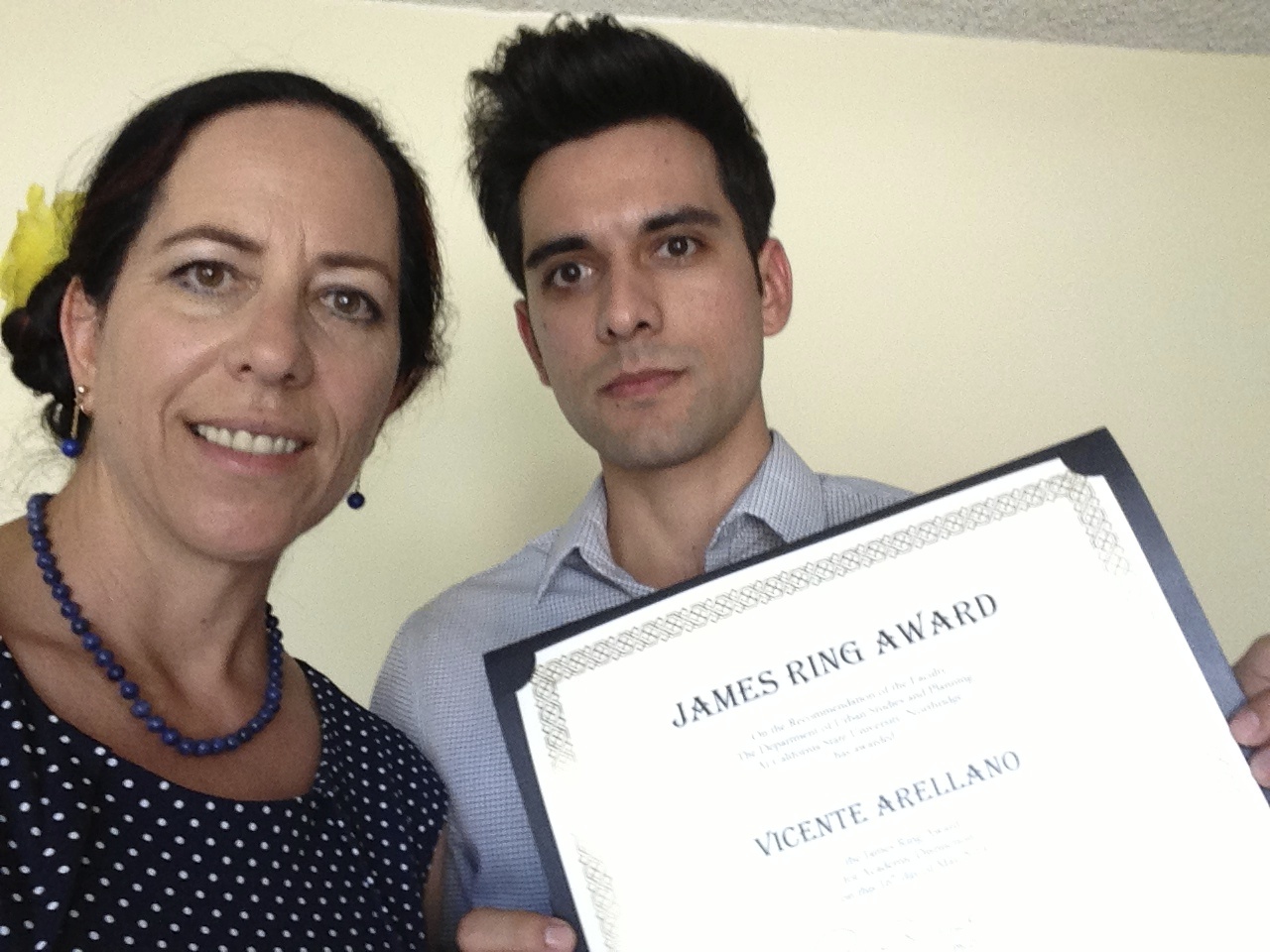
We do our part. It’s a marathon, folks! But one day, years into the future, your kid is suddenly working as an Urban Planner in a big city (New York), traveling the world, and planning his wedding…all on his own!

Independent Kids…
- Independent kids are intrinsically motivated. They perform actions or behaviors because they enjoy the activity itself. Guiding kids to intrinsic motivation may include some rewards and consequences, but ultimately requires that we help our kids discover and source their own motivations.
- Independent kids are given opportunities to explore activities of their own choosing. They express an interest (art, soccer, reading, etc.), and are given opportunities to explore it. Not every activity has to be achievement based. Guiding learners to independence includes providing our kids with experiences that match their passions.
- Independent kids receive extrinsic rewards appropriately and sparely. An extrinsic reward provides a tangible incentive for someone to do a specific thing. Examples include: Allowance for specific chores, A special purchase for good grades, etc. As parents, it’s our job to learn how to appropriately match these rewards to actions, guide children in planning and earning extrinsic rewards, and promote the development of intrinsic motivation.
- Independent kids are in collaborative, rather than controlled relationships with parents. In a collaborative relationship, the ideas and wishes of kids are solicited and considered. As the adult, we can facilitate the considerations of all by inviting input and reflection from our kids. Ultimately, we may have to make unpopular decisions, but by validating our kids input and sharing the process with them, they learn to value themselves.
- Independent kids are good decision makers. Good decision makers have been allowed to consider various options, and with the support and guidance of their parents, practice making their own decisions. It’s really important to give our kids some choice in their lives. When they are young, these are simple choices like what to wear to school, and as they mature, we can let our kids make much bigger choices: like what high school or college to attend. Use more freedom of choice as a reward for responsible decision making.

Promoting Independence is a gradual process. It will look different at different levels of development. Here are things you can do to assist your school age child in developing independence.
1. Give love and respect daily.
2. Show confidence in your child’s capabilities and support them when they are learning new skills.
3. Teach your child they have control over their lives.
4. Provide guidance, then give your child freedom to make decisions.
5. Teach responsibility by providing opportunities for your child to practice it.
6. Communicate clear expectations.
7. Allow your child to experience consequences. This can mean removing something important, then giving your child the power to get it back appropriately.
8. Teach and monitor accountability through chores and homework tasks.
9. Encourage exploration.
10. Allow your child to make mistakes, and help your child learn from mistakes.
11. Use a responsibility chart or other clear method of monitoring and acknowledging independent tasks.
Independent kids have had their “roots” well watered and nourished. Independent kids have been provided opportunities to safely try out their “wings.” Parents of independent kids, experience the phenomenal reward of watching their children fly successfully and joyfully through life!

5 Fabulous Links and/or Downloads:
1. For Great Tips on Age Appropriate Chores
Love all the articles on Kiddie Matters, but check out just a couple of the tools by Licensed Family Therapist, Yanique S. Chambers:
2. Life Skills for Kids – Developmentally Appropriate Checklists
3. Social Emotional Development Checklist
4. Tips for Raising Good Decision Makers
5. Audrey Monke of sunshineparenting.com has a fabulous mission to help families raise kids who become thriving adults. I’ve linked her incredible Adulthood Checklist. You might want to subscribe to get her free ebook, 3 Effective Strategies For Raising Kids.